If you have been looking at boundary security, you have probably heard people talk about electric fencing. Some see it as the best upgrade for a house wall; others worry it is dangerous or only for farms. In practice, a properly installed electric fence is a practical security layer for homes, farms and factories across Pakistan, designed to deter, not to injure.
This guide explains electric fencing in plain language: how a pulsed energizer works, the parts of a complete system, safety, and how a home setup differs from a farm or factory.
NagTech sells and installs electric fences and Nemtek energizers, along with gate automation and security, from offices in Lahore, Islamabad and Faisalabad. We are Pakistan’s only official Nemtek distributor. We do not sell razor wire or barbed wire; our focus is pulsed electric fencing on top of your existing wall or along a perimeter.
How pulsed energizers work
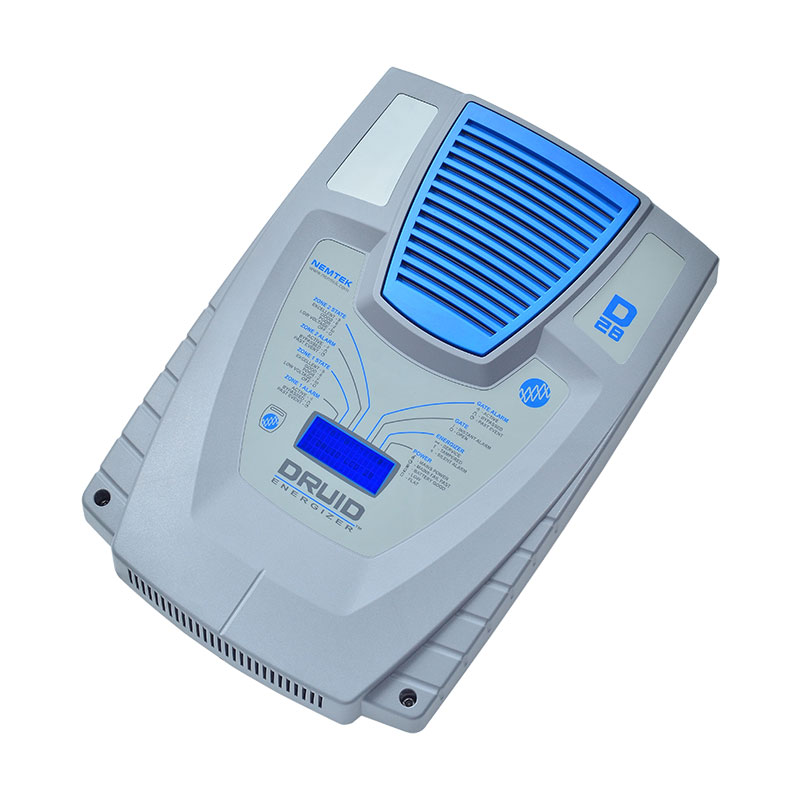
At the heart of every electric fence is the energizer. It takes electricity from the mains (and usually a backup battery) and turns it into short, controlled pulses that travel along the fence wires.
Those pulses are not a continuous current. They fire briefly, then stop, then fire again. That pattern is what makes modern electric fencing safe when installed correctly: anyone who touches the wire gets a sharp, unpleasant shock that makes them pull away, while the gap between pulses allows the body to recover. The goal is deterrence, not harm.
When someone climbs, cuts or shorts the fence, the energizer notices the change and triggers an alarm or siren so your family, guard or control room knows something is wrong. That mix of deterrent plus alert is why many owners choose electric fencing over passive barriers alone.
Quality matters. A steady pulse through heat, dust and monsoon weather depends on a solid energizer. Nemtek units are built for that duty and are widely specified on serious installations. Compare options on our Nemtek electric fence page. Energizers for complete systems typically start from about Rs 50,000, depending on power and how many zones you need.
Parts of an electric fencing system
An electric fence is not just wire on a wall. A complete system has several parts that work together. If any one is weak, the fence underperforms or fails early.
- Energizer – creates and monitors the pulses. Usually mounted indoors or in a protected box, with battery backup for load shedding.
- Fence wires – high-tensile conductors fixed along the top of a wall or on posts. More strands make the fence harder to climb or bridge.
- Insulators and brackets – hold the wires clear of the wall so the pulse stays on the wire instead of leaking into the structure.
- Earthing – earth rods and earth wires that complete the circuit when someone touches a live wire. Poor earthing is a common reason a fence feels weak.
- Siren and alarm link – so a cut, short or climb attempt is heard, not just felt.
- Warning signs – clear signs that the fence is electrified. These are part of responsible installation.
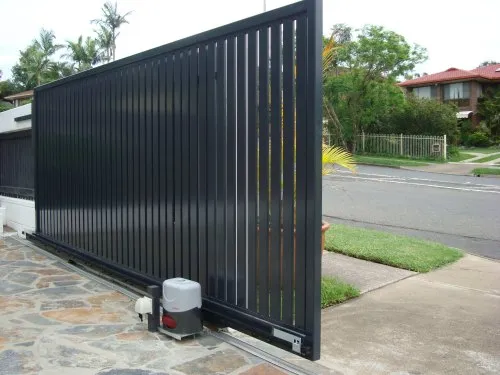
- Gates and special sections – main gates, side gates and uneven walls need careful detailing so the fence stays continuous.
When you request a quote, ask what is included. A per-running-foot figure should cover the full installed system, not only the wire. For a realistic cost picture, see our electric fence price guide. Installed prices typically start from about Rs 350 per running foot, depending on strand count, energizer choice, wall condition and extras.
Safety: what electric fencing does and does not do
Safety is the question most homeowners ask first. A correctly designed pulsed fence delivers a short, high-voltage pulse with very low energy. It is meant to startle and discourage, not to cause lasting injury. That is why professional electric fencing is used around homes, farms and industrial sites when installed to proper standards.
Safe use still depends on good practice:
- Use a reputable pulsed energizer sized for the fence length and number of wires.
- Fit clear warning signs along the boundary.
- Brief household staff and guards on how the system works.
- Maintain earthing and clear vegetation or debris that can short the wires.
- Do not mix electric fencing with razor or barbed wire as a DIY extra; NagTech does not sell those products, and stacking sharp barriers on an electric line creates unnecessary risk.
If someone in your household has a medical concern, mention it during the site survey so the technician can advise on placement and access before any hardware goes up.
Homes vs farms vs factories
Electric fencing is flexible, but the design changes with the property.
Homes and housing societies
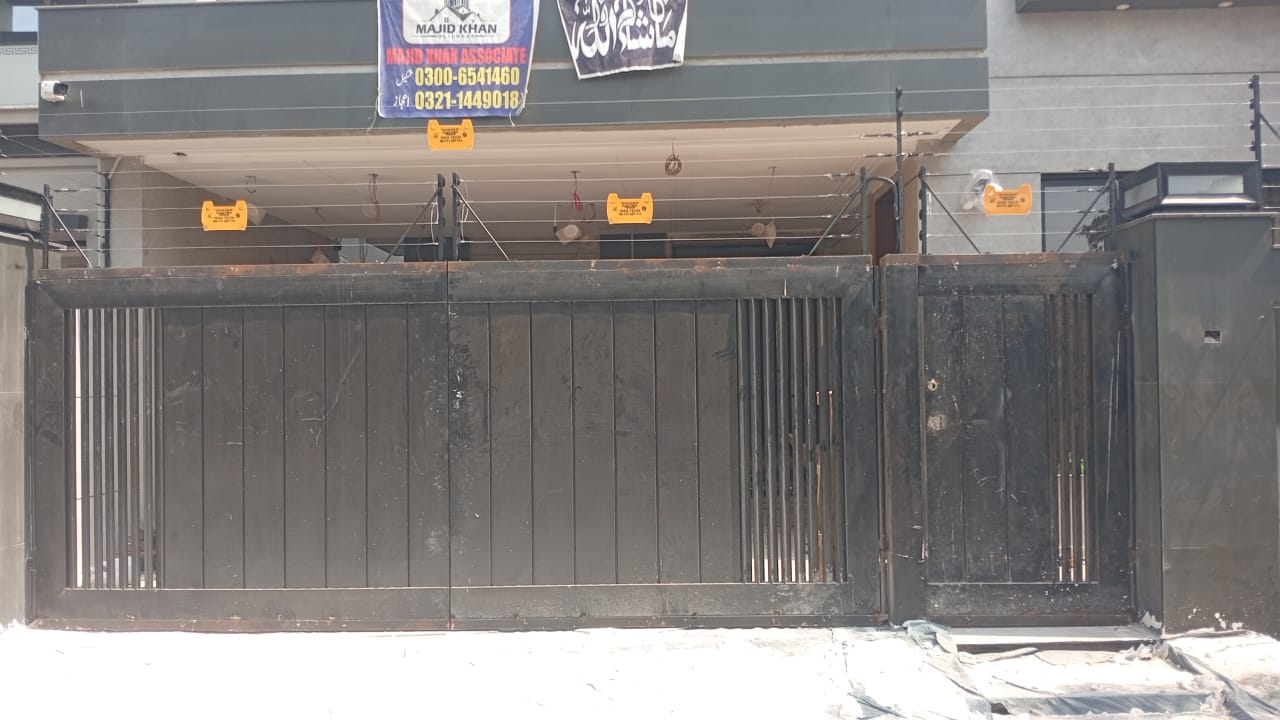
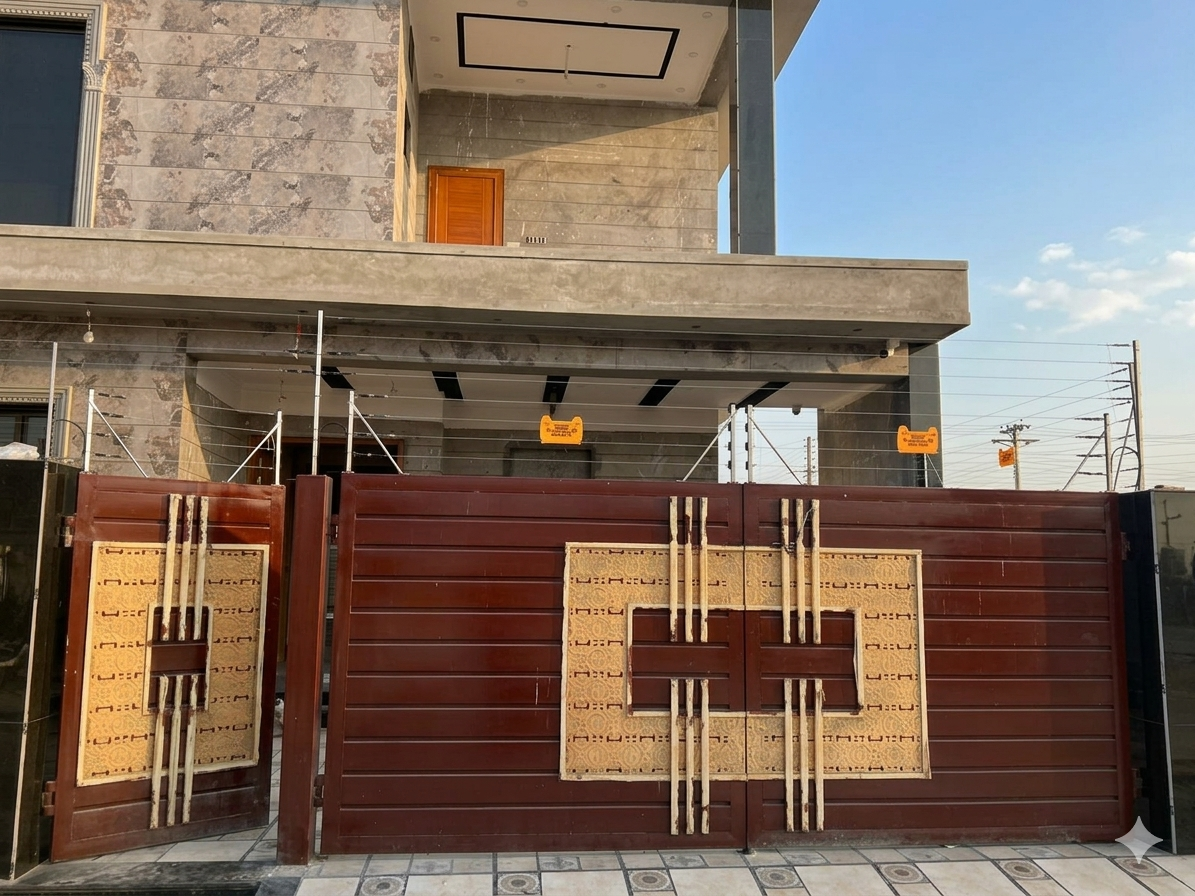
On a house, the fence usually sits on top of the existing boundary wall. A typical residential job focuses on deterring climbers, covering corners and gates, and linking a siren the family or guard can hear. Installation for electric fences is often completed in about 24–48 hours once materials and access are ready, though complex walls can take longer.
If you are in Lahore, our electric fence in Lahore page covers local service and what a home install usually includes. Islamabad clients can start from our electric fence installation in Islamabad page.
Farms and farmhouses
Farms often need longer runs, more posts, and protection against both intrusion and livestock movement. Energizer power, earth quality and vegetation control matter more because the fence may stretch across open ground. Zoning helps when one side of a farmhouse needs tighter monitoring than a distant field boundary.
Factories, warehouses and plazas
Industrial sites usually want multi-zone systems so security staff can see which side of the perimeter was disturbed. Longer walls, busy gates, and links to existing alarms or CCTV are common. These projects are quoted after a site visit because gate detailing and zone planning change the design.
Whatever the property type, the same principles apply: a sound energizer, proper earthing, continuous conductors, and an alarm that someone will actually hear.
Is electric fencing right for your home? Next steps
Electric fencing is a strong fit when you already have a boundary wall and want a clear deterrent plus an alarm if someone tries to climb or cut through. It is less useful as a standalone solution on an open plot with nothing to mount on, and it is not a substitute for good locks, lighting or sensible access control at the gate.
Ask yourself:
- Do climbers or wall jumpers worry you more than a forced gate?
- Is your wall solid enough to take brackets and wires?
- Do you want a siren that wakes the house or alerts a guard?
- Are you ready to keep vegetation clear and check the fence occasionally?
If those points line up, book a free site inspection. A NagTech technician measures your walls and gates, checks earthing, recommends an energizer and strand layout, and gives you a written quote. Electric fence work from NagTech carries a 2-year warranty as stated on our site materials, covering product defects and installation faults on the system we install.
Call or WhatsApp 03-111-427-111 to book your free survey in Lahore, Islamabad, Faisalabad or nearby cities. Bring your questions about safety, zones and timeline; we will answer them on site before you decide.
Frequently asked questions
Is electric fencing safe for a family home?
Yes, when it uses a pulsed energizer installed to proper standards. The pulse is designed to deter and startle, not to cause lasting injury. Warning signs, good earthing and a suitable energizer are all part of a safe home installation.
How does electric fencing work during load shedding?
Most proper systems include battery backup on the energizer, so the fence keeps pulsing when the mains power goes. Ask your installer to confirm backup is included in the quote.
How long does installation take?
For many home electric fences, installation is often completed in about 24–48 hours once the survey is done and materials are ready. Longer walls or multi-zone factory jobs can take more time.
What does electric fencing cost in Pakistan?
Installed prices typically start from about Rs 350 per running foot, and energizers from about Rs 50,000, depending on the model and zones. Your exact figure depends on wall length, strand count, energizer choice and extras. A free site survey is the reliable way to get a written number.
Does NagTech sell razor wire or barbed wire?
No. NagTech focuses on pulsed electric fencing and Nemtek energizers, plus gate automation and related security. We do not sell razor or barbed wire.
Where does NagTech install electric fences?
We work from offices in Lahore, Islamabad and Faisalabad and cover homes, farms and industrial sites in and around those cities. Call or WhatsApp 03-111-427-111 to check coverage for your area and book a free inspection.