An electric fence is one of the most effective ways to secure a boundary wall in Pakistan, but it is not a “fit and forget” system. The energizer, wires, insulators, springs and earthing all sit outdoors through scorching summers, heavy monsoon rain, winter smog and dust storms. A fence that is never checked slowly loses voltage, starts giving false alarms, or quietly stops protecting your home without you noticing.
The good news is that regular electric fence maintenance is not complicated. Most of it is a few minutes of looking and listening once a month, plus some extra attention before and after the monsoon. This checklist explains what to check, how Pakistani weather affects your fence season by season, and when it is time to call a technician. NagTech is an official Nemtek distributor and has been installing and servicing electric fences since 2010, from our offices in Lahore, Islamabad and Faisalabad.
Why electric fence maintenance matters
An electric fence works by sending short, high-voltage, low-current pulses from the energizer along the wires. Anyone who touches a live wire gets a sharp but non-lethal shock, and the alarm sounds if a wire is cut, shorted or tampered with. That whole system depends on a clean, unbroken circuit and good earthing. Anything that leaks current away from the wires weakens the fence.
Common problems we see on fences that have not been looked after include:
- Low voltage because leaves, creepers or bougainvillea branches are touching the wires
- Cracked or dirty insulators letting current leak into the brackets and wall
- Slack wires because springs or tensioners have lost tension
- Poor earthing after the soil around the earth spikes dries out or gets disturbed during construction work
- Alarms going off at night for no clear reason, until the family simply switches the alarm off
Each of these is easy to fix early. Left alone, they turn a security system into decoration.
Monthly electric fence maintenance checklist
You do not need tools or technical knowledge for these checks. Do them from the ground or from inside your property, and never touch the fence wires yourself. If anything looks wrong, call your installer.
1. Check the energizer display and alarm
Modern Nemtek energizers have a status display or indicator lights. Once a month, look at the energizer and note whether it shows the fence as armed and whether the voltage reading looks similar to what your technician showed you at handover. A steady drop from one month to the next is an early warning sign that current is leaking somewhere along the fence.
2. Walk the boundary and look at the wires
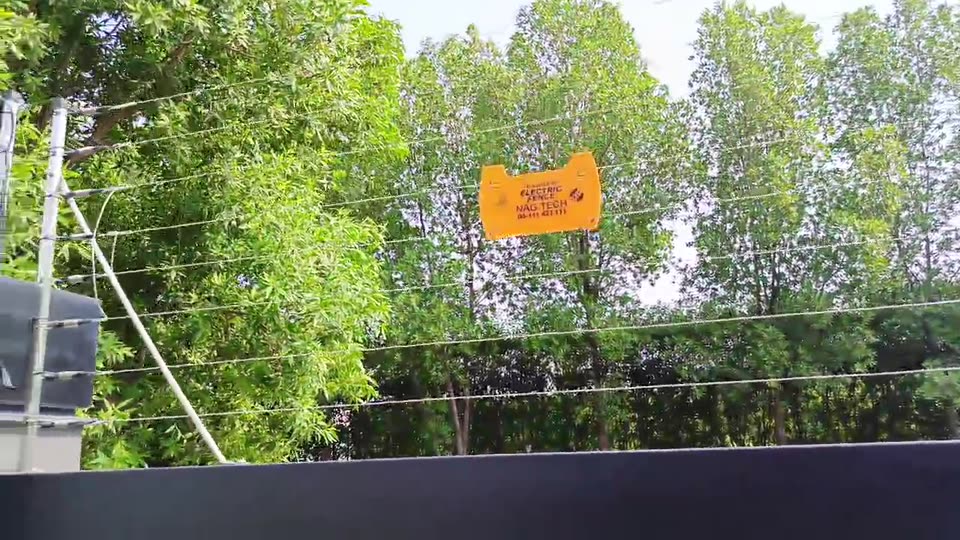
Walk around the inside of your boundary wall and look up at the fence. Check that every strand is in place, none are sagging or touching each other, and none are touching the bracket, the wall, a gate or a roof edge. Pay extra attention to corners and the sections above gates, where wires change direction.
3. Look for vegetation contact
Plants are the single most common cause of voltage loss and false alarms. Trim trees, creepers, climbers and tall plants so they stay well clear of the wires on both sides of the wall. Remember that your neighbour’s tree counts too. A polite word over the wall usually solves it.
4. Inspect insulators and brackets
From the ground, look for insulators that are cracked, missing, discoloured or covered in dirt or bird droppings. Also check that brackets are straight and firmly fixed to the wall. A bent bracket can push a wire against something it should not touch.
5. Check warning signs and the gate area
Make sure your warning signs are still in place and readable. They are part of what makes an electric fence safe and acceptable to neighbours and visitors. If you have an automatic gate under the fence line, check that the fence wires and gate motor wiring are not rubbing against each other.
6. Test the alarm with your installer’s guidance
Your technician should have shown you how to arm, disarm and check the alarm at handover. Use the method they showed you, never a home-made test on the wires, to confirm the siren still works and the family knows what to do when it sounds.
Monsoon and humidity: extra care from June to September
Pakistan’s monsoon is the hardest season for any outdoor electrical system. Lahore, Islamabad and Faisalabad all get heavy rain spells, and Islamabad’s humidity and storms can be especially tough on fences.
- Before the monsoon: trim all vegetation hard, because plants grow fast in the rains. Get dirty or cracked insulators replaced, and ask for the earthing to be checked.
- During heavy rain: some voltage drop in very wet weather can be normal, especially if insulators are dirty. Regular alarms that only happen during rain usually point to leakage that needs attention.
- After storms: walk the boundary as soon as it is safe. Look for fallen branches, broken wires, loose brackets and water near the energizer.
- Protect the energizer: it should be mounted in a sheltered, dry place. If water is reaching it, call your installer to relocate or protect it rather than covering it with plastic yourself.
A properly installed pulsed fence is designed to work outdoors in rain, but good insulators and good earthing are what keep it reliable through the season.
Dust and smog season: October to February
Lahore and much of Punjab face heavy smog in winter, and dust is a problem all year in many areas. Fine dust and pollution settle on insulators and form a film that can conduct a small amount of current, especially when it combines with winter fog and dew.
- Look for insulators that have turned grey or black and ask for them to be cleaned or replaced.
- After dust storms, check for plastic bags, kite string or debris caught on the wires.
- Foggy mornings can bring a temporary voltage dip. If you also see regular alarms, get the fence checked.
Load shedding and power checks
Your electric fence should keep working during load shedding through its backup battery. As part of your routine checks, notice whether the fence stays armed during power cuts and whether the energizer reports any power or battery warning. If the fence goes dead during outages, or the battery seems weaker than before, ask a technician to test it. Batteries age over time and need replacing when they no longer hold charge.
What you should never do yourself
- Do not touch, cut or re-tie live fence wires.
- Do not connect the fence to mains power or any home-made power source.
- Do not open the energizer or bypass the alarm.
- Do not use metal tools or wet ladders near the fence.
- Do not permanently switch off the alarm to stop false alarms. Find and fix the cause instead.
When to call a technician
Call your installer if you notice any of the following:
- The voltage reading has dropped noticeably compared with handover
- False alarms happen repeatedly, especially at night or in rain
- A wire is broken, sagging or touching a bracket or the wall
- Insulators are cracked, burnt or missing
- The fence goes off during load shedding
- There has been construction, plastering or painting work on or near the wall
A professional service visit usually covers voltage testing along each zone, earthing checks, insulator and wire inspection, tensioning, alarm testing and advice on any upgrades, such as replacing an older energizer with a current Nemtek model.
Book an electric fence check with NagTech
Our team can inspect your fence, fix faults and advise on upgrades. You can read more about our electric fence repair and maintenance services, or see our local pages for electric fence in Lahore, electric fence installation in Islamabad and electric fence installation in Faisalabad. We also serve Karachi.
Planning a new fence or a full replacement? New installations are typically PKR 350–950 per running foot, energizers start from Rs 50,000, site surveys are free and a 15% discount is currently available. Call or WhatsApp 0311-1427111. Our offices are open 24/7.
Frequently asked questions
How often does an electric fence need maintenance?
Do a quick visual check yourself once a month, and get a professional inspection at least once a year, ideally before the monsoon. Fences near trees or in dusty areas may need more frequent attention.
Why does my electric fence alarm keep going off?
The most common causes are vegetation touching the wires, dirty or cracked insulators, slack wires, poor earthing or debris such as kite string. A technician can test each zone to find the exact cause.
Does rain affect an electric fence?
A properly installed pulsed fence is designed to work in rain. Some voltage drop can happen in very wet weather, but frequent alarms during rain usually mean leakage from dirty insulators, plants or earthing issues.
Can I clean the insulators myself?
We do not recommend it. Cleaning or replacing insulators means working close to live wires. Leave it to a trained technician, who can switch the fence off safely and test it afterwards.