Farmhouses on the edge of Lahore, orchards near Faisalabad, dairy farms in South Punjab and agricultural land around Multan all share one security problem: long boundaries far from a reliable grid connection. Running a power line to the far corner of a large plot is expensive, and load shedding can leave a mains-powered fence switched off exactly when you need it. That is why more owners are asking about a solar electric fence in Pakistan.
This guide explains how a solar-powered electric fence works, when it makes sense, how long perimeters are split into zones, and how a security fence differs from a livestock fence. NagTech is an authorised Nemtek distributor and has been installing electric fences since 2010, with offices in Lahore, Islamabad and Faisalabad and installation teams that also cover Karachi.
Why Solar Makes Sense for Farms and Farmhouses
An electric fence energizer uses very little power compared with household appliances. It sends a short, high-voltage pulse down the wires roughly once a second, then rests. Because the average draw is low, a fence can run from a battery, and that battery can be kept topped up by a solar panel instead of a mains charger.
For rural and semi-rural sites, solar has some clear advantages:
- No need to run cables across the land. The energizer can sit close to the fence line instead of beside the main house or tube well room.
- Less dependence on the grid. In many villages and farm areas, electricity supply is irregular. A solar-charged battery keeps the fence working through outages.
- Lower running cost. Once installed, sunlight does most of the charging, so the fence adds little or nothing to your electricity bill.
- Flexibility for remote plots. Land you visit only on weekends, a farmhouse under construction or a plot with no connection yet can still be protected.
Solar is not always the right answer, though. If a property already has a stable supply close to the fence, a mains-powered energizer with a backup battery may be simpler. A site survey is the best way to decide.
How a Solar Electric Fence System Is Put Together
A solar fence uses the same core parts as any other electric fence, with a solar charging setup added. If you are new to the basics, our guide on how electric fencing works covers them in detail. For a solar installation, the main components are:
- Energizer: the unit that creates the pulse. NagTech supplies Nemtek energizers, which start from Rs 50,000.
- Battery: stores energy so the fence keeps running at night and on cloudy days.
- Solar panel and charge controller: the panel charges the battery during the day, and the controller protects the battery from overcharging.
- Fence line: brackets or posts, insulators and conductive wires along the boundary.
- Earthing system: earth rods that complete the circuit. Good earthing is especially important in dry farmland soil.
- Alarm and monitoring (optional): sirens or alerts that tell you when the fence is cut, shorted or loses voltage.
Panel and battery sizing
There is no single “standard” solar kit that suits every farm. The right panel and battery size depends on the energizer model, the length of the fence, how many zones you run, whether you add alarms or lights, and how much sunlight the site gets in winter and during smog season. Sizing too small means the fence can run flat after a few grey days; sizing too large wastes money.
Because the figures change from site to site, we work out panel and battery sizing during the survey rather than quoting a fixed setup in advance. Be cautious of anyone who promises a set number of backup hours or days without first checking your energizer, fence length and location.
Where to place the panel
The panel should face south with a clear view of the sky for most of the day, away from tree shade, water tanks and high walls. Mount it securely and out of easy reach, since panels on remote farms can be a theft target.
Long Perimeters and Zones
Farm and farmhouse boundaries often run into thousands of feet. Rather than treating the whole boundary as one long circuit, it is usually better to split it into zones.
- Faster fault finding: if a branch falls on the wire, the alarm shows which zone is affected, so you know where to look.
- Better voltage: shorter circuits hold their voltage better than one very long run.
- Partial protection during repairs: one zone can be switched off for maintenance while the rest stays live.
- Separate areas, separate needs: the front boundary near the road, the cattle shed and the back fields may each need a different design.
Larger sites may use more than one energizer, each with its own solar charging, or a single energizer with multi-zone capability. Our Nemtek electric fence page explains the energizer range we supply.
Livestock Fencing vs Security Fencing
One of the most common mix-ups we see is treating every farm fence the same. In practice, there are two quite different jobs:
Livestock and boundary fencing
This keeps animals in, or stray animals and wildlife out of crops. It is usually built on posts at a lower height across open land, with fewer strands. The goal is to give animals a memorable but safe shock so they learn to stay away from the line.
Perimeter security fencing
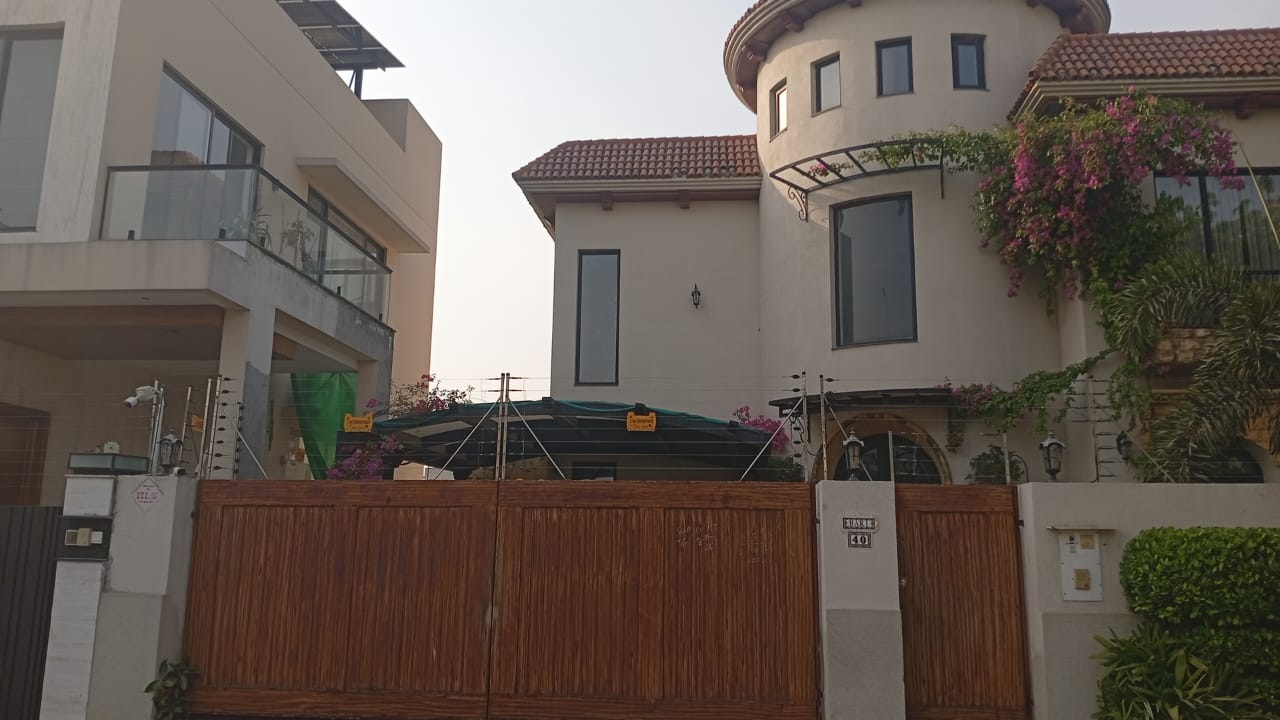
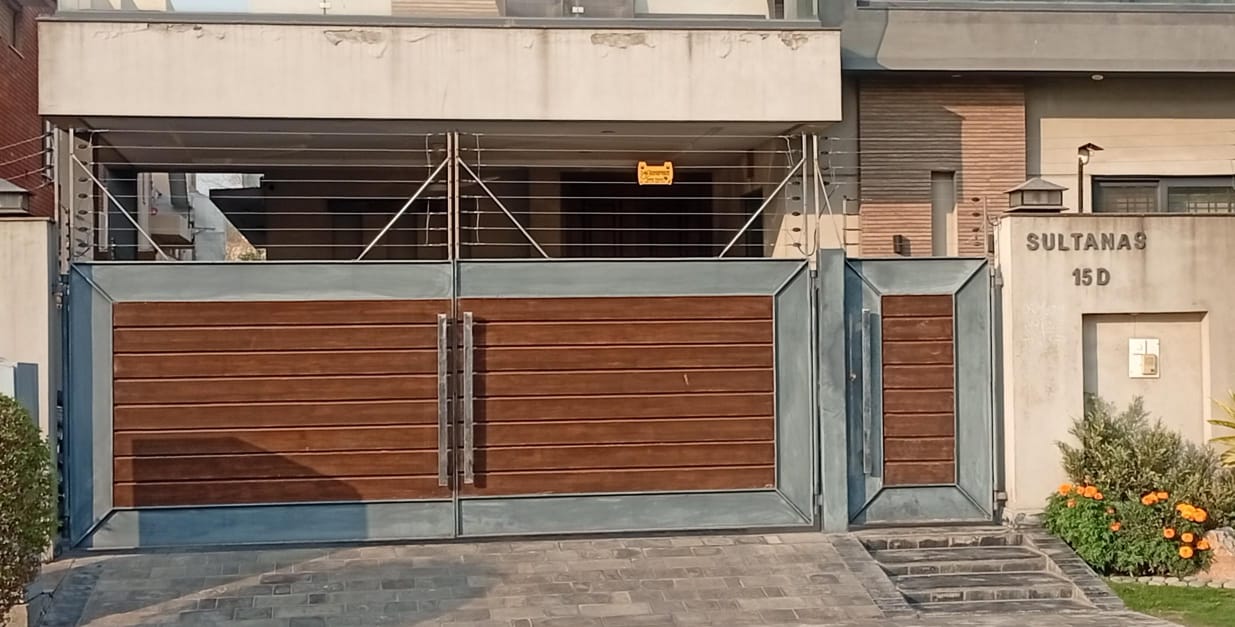
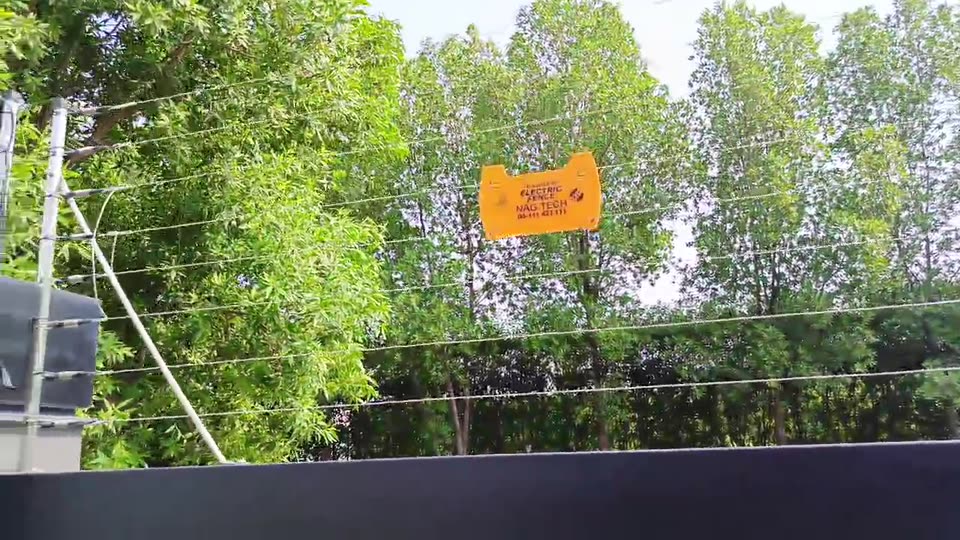
This protects the farmhouse, store rooms, machinery, tube wells and staff quarters from intruders. It is normally mounted on top of a boundary wall with more strands, monitored by an alarm, and placed where it is clearly visible with warning signs. The goal is to deter, detect and delay anyone trying to climb over.
Many farmhouses need both: a security fence on the walls around the house and compound, and a simpler fence around fields or animal areas. Planning them together keeps the solar setup, earthing and zones tidy and avoids paying twice for the same work.
A Typical Solar Fence Setup for a Farmhouse
Every site is different, but a typical project follows these steps:
- Free site survey: we walk the boundary, measure the running feet, check the wall or post condition, soil for earthing, and the best spot for the panel and energizer.
- Design and quote: we plan the zones, number of strands, energizer and solar charging setup, then give a written quote.
- Installation: brackets or posts, insulators and wires go up, followed by the energizer, battery, panel, earthing and any alarm.
- Testing and handover: we test voltage on every zone and show you how to check the system and what to do if the alarm sounds.
What Does a Solar Electric Fence Cost?
Fence installation is priced at PKR 350 to 950 per running foot, depending on the number of strands, the type of brackets or posts, the condition of the boundary and other site factors. Nemtek energizers start from Rs 50,000. The solar panel, battery and charge controller are added on top based on the sizing for your site, so the total depends on the energizer and how much charging capacity you need.
For a detailed breakdown of what affects the per-foot rate, see our electric fence price guide. A 15% discount is also available, so ask about it when you book your survey.
Frequently Asked Questions
Does a solar electric fence work at night?
Yes. The panel charges a battery during the day, and the energizer runs from that battery at night. How long it keeps running depends on the battery, energizer and fence size, which is why sizing is done during the site survey.
Is a solar electric fence suitable for agricultural land in Pakistan?
Yes, it is well suited to farms and farmhouses where grid power is far from the boundary or unreliable. It is commonly used for both crop and livestock protection and for securing farmhouse compounds.
Will a solar fence harm animals or people?
A properly installed energizer sends short pulses designed to give a sharp but non-lethal shock. Warning signs should be fitted along the fence, and the design should suit the animals and people on the site.
Can I convert my existing electric fence to solar?
Often, yes. In many cases the existing fence line can stay and a solar charging setup is added to power the energizer. We check the condition of your current system during the survey.
Do you install solar electric fences outside Lahore?
Yes. We work from offices in Lahore, Islamabad and Faisalabad and serve farms and farmhouses across Pakistan, including Karachi.
Book a Free Survey for Your Farm or Farmhouse
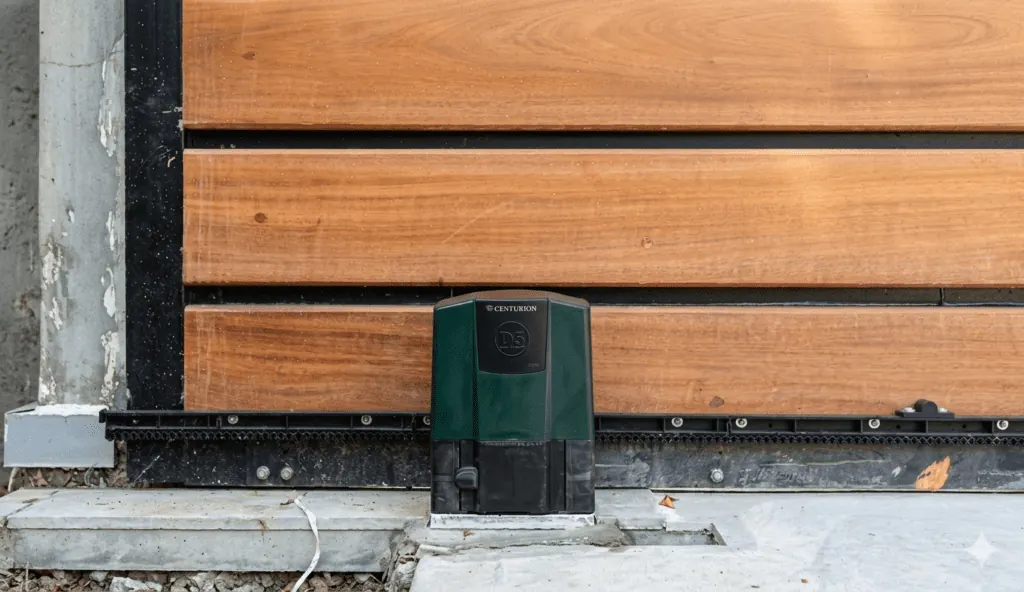
If you are planning a solar electric fence for a farmhouse, orchard, dairy farm or agricultural land, the first step is a free site survey. NagTech has been installing electric fences since 2010 and is an authorised Nemtek distributor and authorised Centurion partner, so we can also automate your farmhouse gate in the same project. Our offices are open 24/7.
Call or WhatsApp 0311-1427111 to book your free survey today.